


Small Methods · 2023
Telling similar proteins apart
Machine learning on single-molecule nanopore events identified similarly sized proteins without labels, with F-values up to 88.7%.
Read more
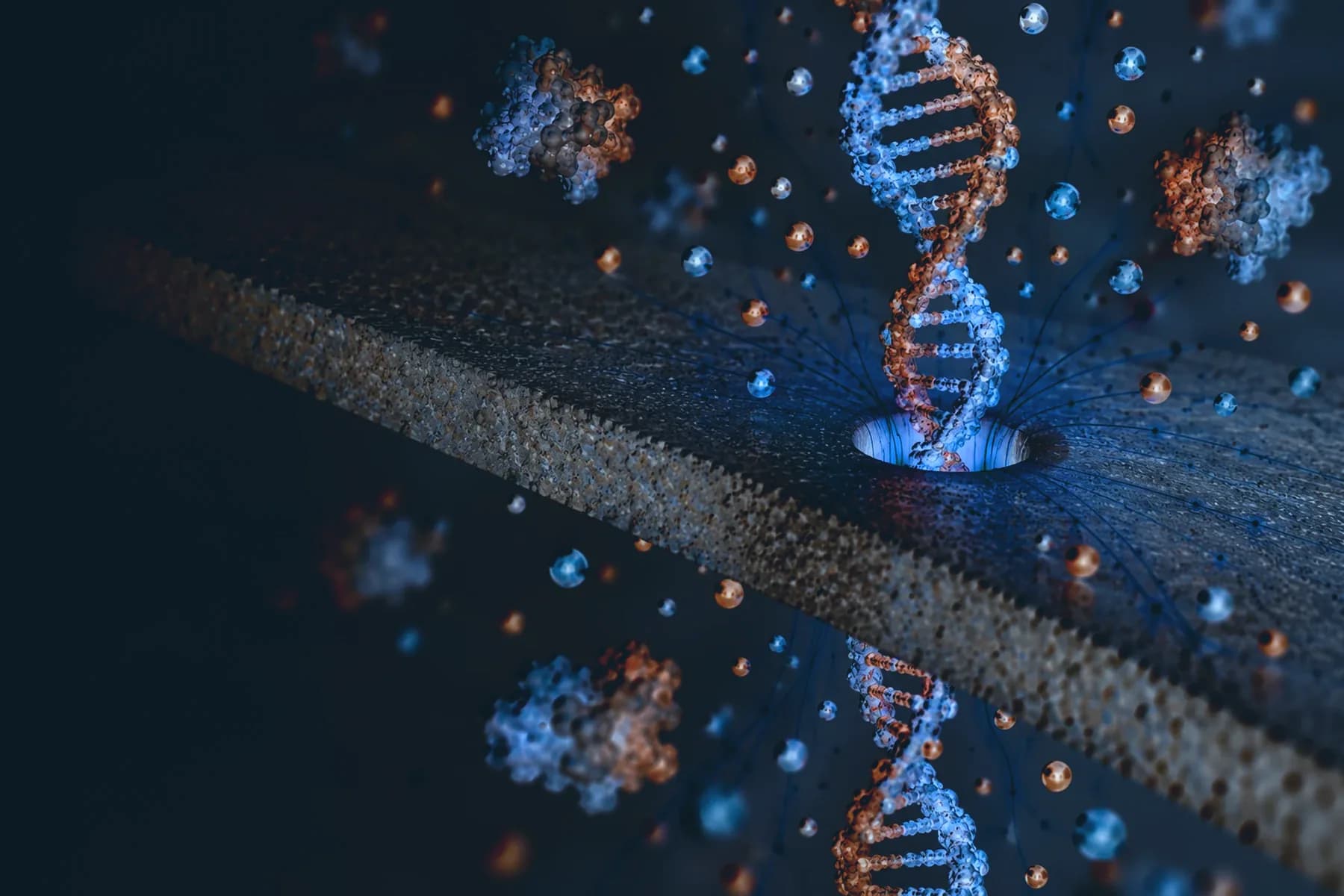
Materials Molecules Machine learning
Dr Shankar DuttResearch Fellow in Physics, Australian National University
Engineering nanopores to read single molecules and control the flow of ions.
Research
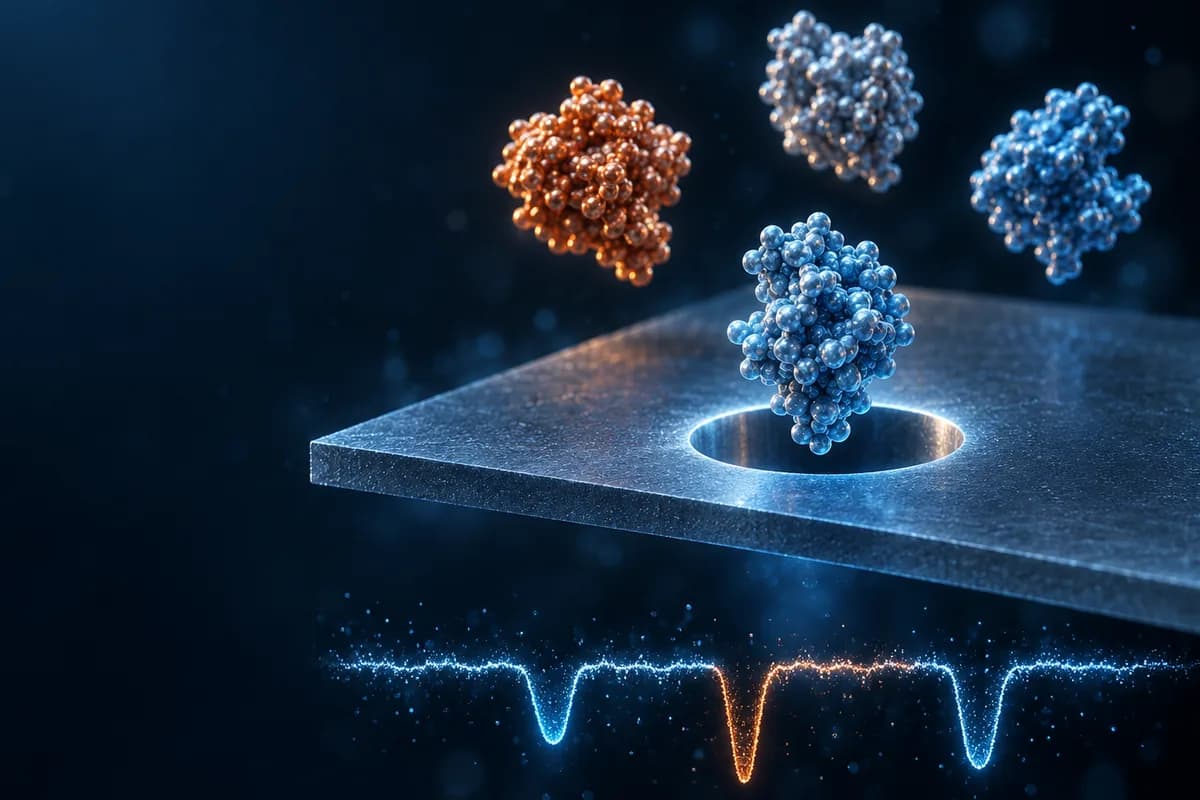
Small Methods · 2023
Machine learning on single-molecule nanopore events identified similarly sized proteins without labels, with F-values up to 88.7%.
Read more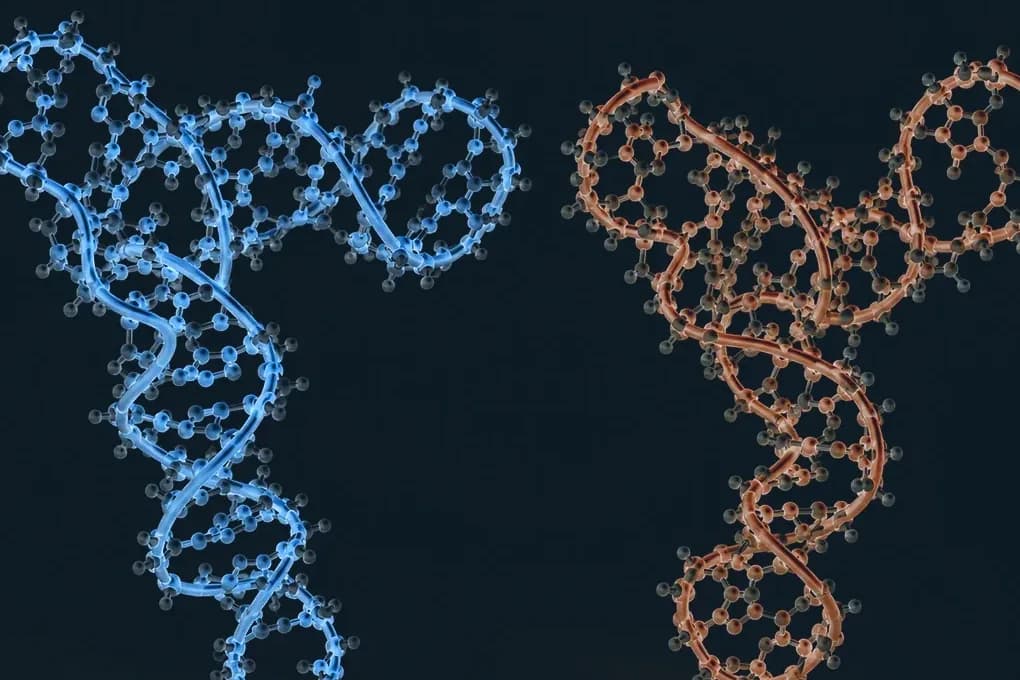
Nucleic Acids Research · 2026
Nanopore signals revealed conformational changes caused by a disease-linked mutation in a neuron-specific tRNA.
Read more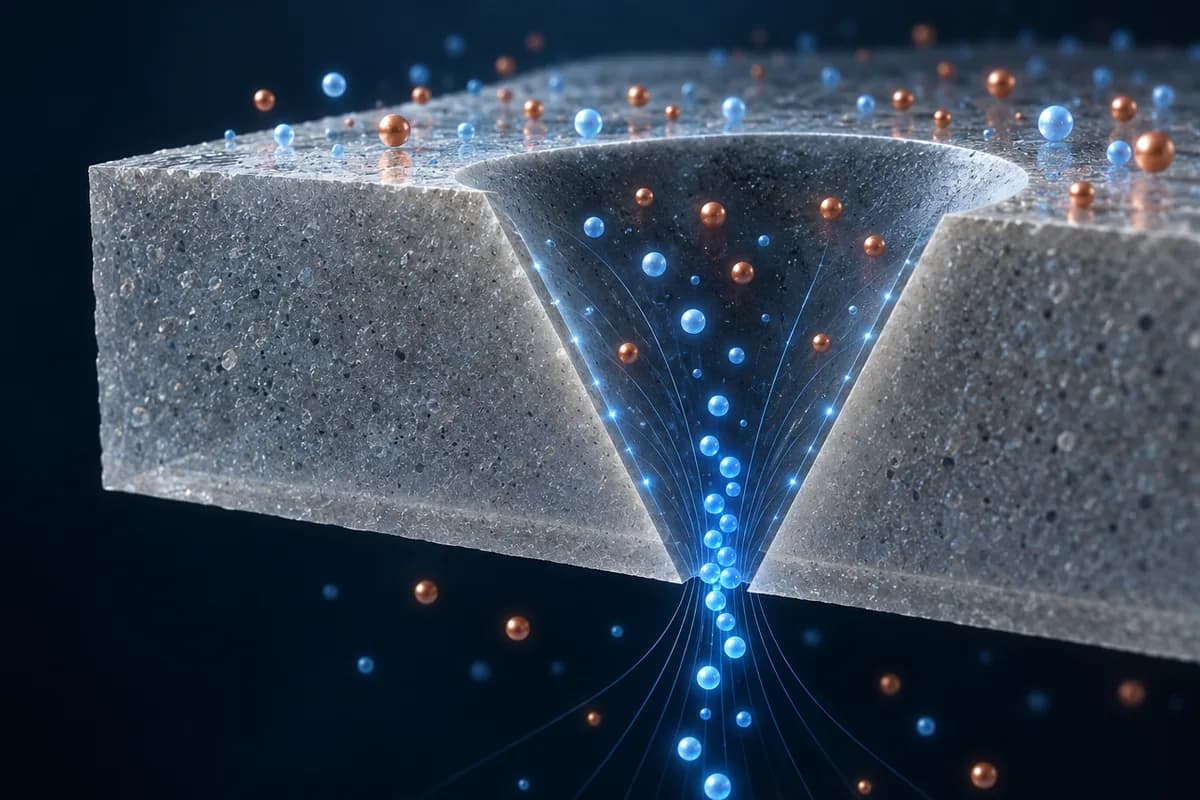
ACS Applied Nano Materials · 2023–2025
Ion-track-etched conical pores in silica pass more current in one direction, a property explored for osmotic power and electroosmotic pumping.
Read moreInteractive
Two simplified models: a molecule passing through a pore changes the ionic current, and a conical pore lets ions flow more easily in one direction.
Simulated translocation event
Approaching the pore: open-pore current
Depth reflects how much electrolyte the molecule displaces (its size and shape); dwell time reflects how quickly it passes (its charge, the voltage and interactions with the pore walls). Simulated values for illustration, not measurements. The motion is slowed down: real events last microseconds to milliseconds and vary from molecule to molecule.
Drag to follow the approach, the blockade and the recovery.
Record
Recognition
Publications
Get in touch
I work with researchers and industry partners on nanopore sensing, materials and signal analysis, and supervise PhD, Honours and undergraduate students at ANU.